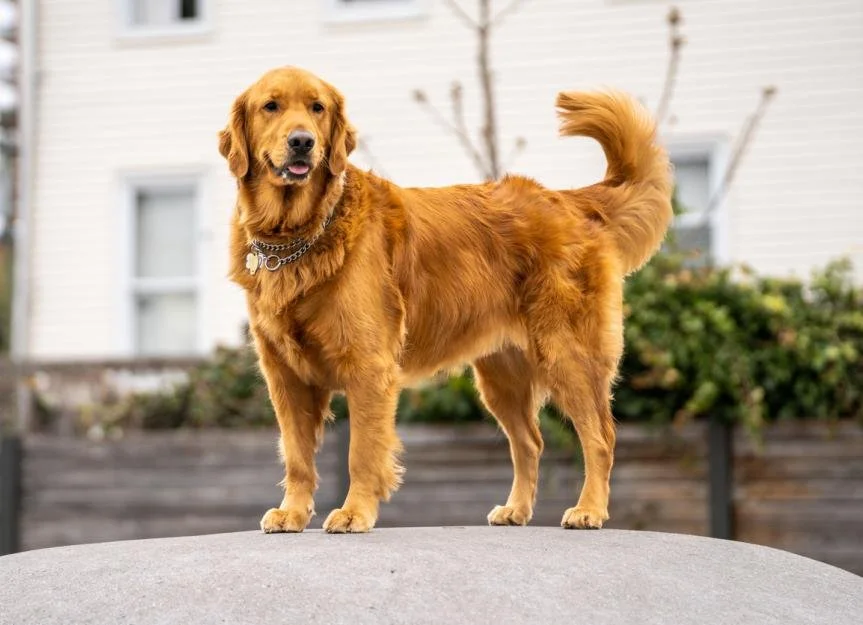
Bringing a puppy home is exciting—but it also comes with real responsibility. Puppies need proper care, training, nutrition, and attention to grow into healthy and well-behaved dogs. If you’re new to pet parenting, don’t worry. This step-by-step guide will help you understand exactly how to take care of a puppy at home.
Step 1: Prepare Your Home for the Puppy
Before your puppy arrives, make your home safe and comfortable.
- Remove harmful items like wires, chemicals, and small objects
- Set up a cozy sleeping area with a soft bed
- Keep food and water bowls ready
- Buy essential supplies like toys, leash, and grooming tools
Creating a safe environment helps your puppy adjust quickly and prevents accidents.
Step 2: Provide Proper Nutrition
Good nutrition is the foundation of your puppy’s health.
- Feed high-quality puppy food suitable for their breed and age
- Stick to a consistent feeding schedule (3–4 times a day for young puppies)
- Always provide fresh, clean water
- Avoid feeding human foods like chocolate, onions, or spicy items
A balanced diet supports growth, energy, and a strong immune system.
Step 3: Create a Daily Routine
Puppies thrive on routine.
- Set fixed times for feeding, play, and sleep
- Take your puppy outside regularly for bathroom breaks
- Maintain a consistent schedule every day
Routine helps with faster training and reduces anxiety.
Step 4: Start Potty Training Early
House training is one of the first things to teach your puppy.
- Take your puppy outside after meals, naps, and playtime
- Use positive reinforcement (praise or treats) when they go in the right place
- Be patient—accidents will happen
Consistency is key to successful potty training.
Step 5: Focus on Basic Training
Training helps your puppy become well-behaved.
- Teach simple commands like sit, stay, and come
- Use positive reinforcement instead of punishment
- Keep training sessions short and fun
Early training builds good habits and strengthens your bond.
Step 6: Socialize Your Puppy
Socialization is essential for a confident and friendly dog.
- Introduce your puppy to different people and environments
- Let them interact with other vaccinated dogs
- Expose them to everyday sounds and situations
Proper socialization reduces fear and aggression later in life.
Step 7: Maintain Hygiene and Grooming
Keeping your puppy clean is important for health.
- Bathe your puppy occasionally using mild dog shampoo
- Brush their coat regularly
- Trim nails and clean ears
- Brush their teeth to prevent dental problems
Good grooming habits keep your puppy comfortable and healthy.
Step 8: Visit the Veterinarian
Regular vet visits are crucial.
- Get vaccinations on schedule
- Follow a deworming routine
- Discuss flea and tick prevention
- Monitor growth and overall health
Early medical care helps prevent serious health issues.
Step 9: Provide Exercise and Playtime
Puppies are full of energy and need daily activity.
- Play games like fetch or tug-of-war
- Take short walks (depending on age and breed)
- Provide chew toys to keep them engaged
Exercise keeps your puppy physically fit and mentally stimulated.
Step 10: Give Love and Attention
Above all, your puppy needs affection.
- Spend quality time together
- Use gentle handling and positive interaction
- Build trust through consistency and care
A loved puppy grows into a loyal and happy companion.
Common Mistakes to Avoid
- Overfeeding or giving unhealthy treats
- Skipping vaccinations or vet visits
- Using harsh punishment during training
- Ignoring socialization
- Leaving the puppy alone for long periods
Avoiding these mistakes ensures better development and behavior.
Final Thoughts
Taking care of a puppy at home may seem challenging at first, but with patience and consistency, it becomes a joyful experience. By following these step-by-step guidelines, you can ensure your puppy grows into a healthy, well-behaved, and loving dog.
At Pet Life, we believe every pet deserves the best care and a happy home. Start your journey right, and your puppy will reward you with unconditional love for years to come.